A smile may reveal a narrow strip of gum tissue or expose a larger area when you laugh. Neither is a medical problem in itself, but if you feel your gums draw more attention than your teeth, it is reasonable to explore your options. Understanding how to correct a gummy smile with botox starts with one key idea: not all gummy smiles have the same cause, and botulinum toxin only makes sense when upper-lip movement is a significant part of the issue.
What Is Considered a Gummy Smile?
A gummy smile is when a person shows an amount of gum tissue while smiling naturally that they perceive as disproportionate to their teeth. Aesthetic preferences are personal: some people seek treatment for just a few millimeters of gum exposure, while others are comfortable showing more. No single measurement determines whether a smile needs treatment.
What matters is identifying what happens when you smile. In many cases, the upper lip rises noticeably, exposing a strip of gum tissue. In others, the teeth may appear short because of the shape of the gums, there may be an issue with tooth position or the upper jawbone, or several factors may be involved. That is why the same technique should not automatically be used for every patient.
The evaluation should also distinguish between the lip’s position at rest and during a spontaneous smile. Some people lift their upper lip more when laughing than when posing for a photograph. This difference directly affects treatment planning and the dose that may be considered.
How to Correct a Gummy Smile With Botox
When the primary cause is an overactive upper lip, botox can help moderate (not paralyze) the muscles that lift it. The goal is not to change your expression or erase your smile, but to keep the lip from rising more than desired when you laugh.
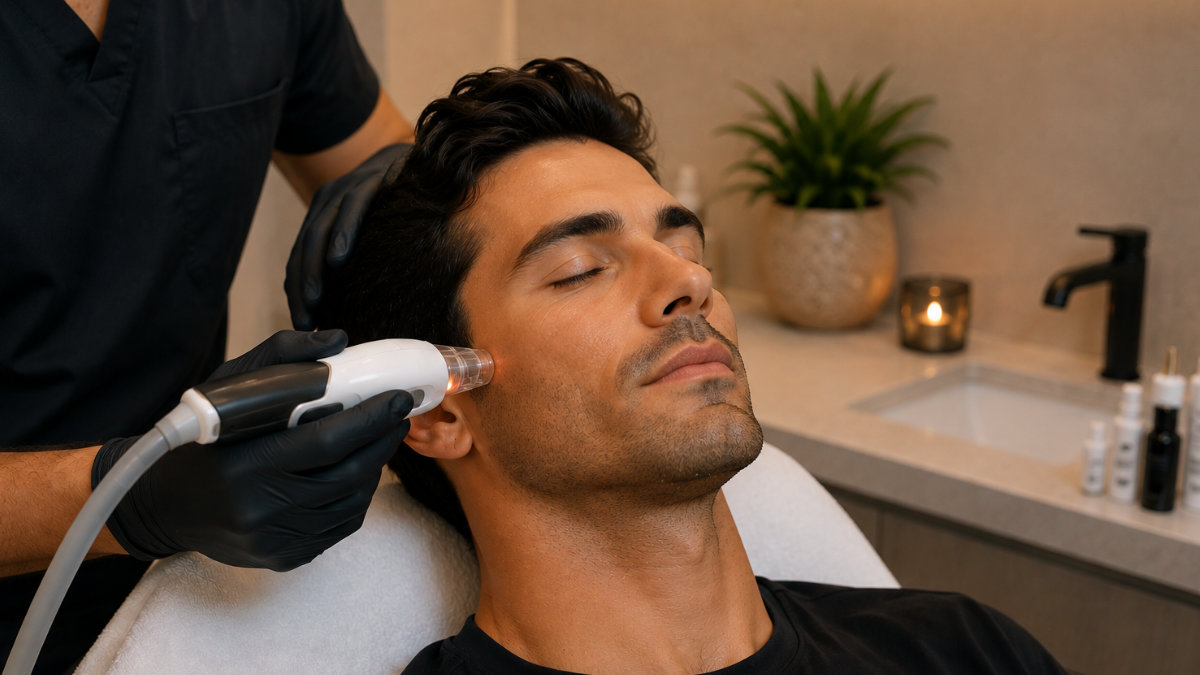
Treatment involves injections at specific anatomical points beside the nose and in the upper-lip area. It is a brief procedure and is well tolerated by many people. Still, a short appointment does not make technique any less important: smiling relies on small, coordinated muscles, so improper placement or dosing can affect movement in an unnatural way.
Changes usually begin to appear gradually over the following days. The effect is not permanent, and its duration varies according to individual response, muscle strength, dose, and personal habits. As a general guide, many patients notice the effect for several months, after which another evaluation may be considered if they wish to maintain the result.
The main advantage of this option is that it allows you to try a temporary, adjustable correction without initially undergoing dental or surgical procedures. Its limitation is equally important: if the gummy smile is not primarily caused by muscle activity, Botox may offer only subtle improvement or may not be the appropriate treatment.
Natural-Looking Results Depend on the Dose
Treating a gummy smile is not about immobilizing the lip. Reducing movement too much can make a smile look restrained, temporarily affect speech, or create a feeling of stiffness the patient did not want. A useful aesthetic benchmark is simple: you feel more comfortable smiling, and other people cannot pinpoint exactly what has changed.
That is why, in certain cases, it is preferable to start conservatively and reassess the result. Botulinum toxin allows for this gradual approach, especially for patients who want to preserve a high degree of facial expressiveness or are receiving treatment for the first time.
When Botox May Not Be the Right Answer
A responsible evaluation does not begin with “How many units do I need?” but with “Why are my gums showing?” If the issue is primarily related to tooth position, altered passive eruption (when the gums cover a larger portion of the tooth crown) tooth size or wear, or the structure of the upper jaw, treatment may require input from a dentist, periodontist, orthodontist, or oral and maxillofacial surgeon.
In these situations, botulinum toxin may play a complementary role or may not provide sufficient correction. Good clinical judgment also means knowing when not to recommend a treatment. Seeking a quick solution for a structural cause can lead to unrealistic expectations and unnecessary touch-ups.
Asymmetry should not be treated without first understanding it, either. It is common for one side of the lip to rise slightly more than the other, but the full dynamics of the face need to be observed before attempting a correction. Perfect symmetry is not always natural or desirable.
What Happens During a Clinical Evaluation?
The consultation should include a conversation about what bothers you and how you would like to look, along with a detailed observation of your smile while speaking, laughing, and resting your face. Clinical photographs can help assess proportions, compare changes over time, and identify asymmetries that may go unnoticed in the mirror.
Your medical history, allergies, current medications, previous aesthetic treatments, and possible contraindications should also be reviewed. Pregnancy and breastfeeding generally call for postponing botulinum toxin injections. Certain neuromuscular conditions, active infections in the treatment area, and some medications may also affect whether treatment is appropriate. This information is not a formality; it is part of the procedure’s safety.
Before deciding, it is worth discussing four practical points: the degree of change you can expect, the temporary nature of the result, possible side effects, and the follow-up plan. Small injection marks, tenderness, or localized bruising may occur. Less commonly, excessive muscle relaxation can temporarily affect lip movement. Choosing a qualified professional and respecting facial anatomy reduces risks but cannot eliminate the possibility of unwanted effects entirely.
Natural Results: Less Gum Exposure, the Same Personality
Facial expression is not a minor detail. Whether you speak in meetings, smile often in family photographs, or simply want to stop covering your mouth when you laugh, treatment should fit the way you naturally express yourself.
The right expectation, then, is not to recreate a smile from someone else’s photograph. It is to find a balance among gum exposure, lip shape, teeth, and your own expressiveness. For some patients, a slight reduction is enough to change how confident they feel. For others, a more noticeable effect may be appropriate, provided their anatomy and evaluation support it.
Questions Worth Asking Before Treatment
Before deciding, ask which muscles will be assessed, why botulinum toxin is (or is not) appropriate for your case, and how an overly strong or insufficient response would be managed. It is also helpful to know when your follow-up should take place and which signs would warrant contacting the clinic sooner.
Be cautious of a recommendation based only on a photograph or a standard number of units. A gummy smile is dynamic and needs to be observed in person. Price may be part of your decision, but it should not replace an evaluation by someone who understands facial anatomy and can respond carefully if concerns arise.
The Right Correction Starts With Understanding Your Smile
Choosing botox for a gummy smile should not be based on trends or a predetermined dose. It can be a reasonable option when the upper lip rises excessively, but its value lies in precise adjustments: enough to soften gum exposure without losing what makes your smile recognizably yours.
At Medilight Center our protocols are built around personalized evaluation, clinical judgment, and medical supervision. The next step is not choosing a treatment, but identifying what your anatomy needs and what change would feel true to you. You can request an evaluation in Doral or Coral Gables, with financing options available, to discuss a safe, natural-looking plan aligned with your goals.
Book your consultation 📞 Call us: 786 413-0785To learn about options, candidacy and what the evaluation involves, visit our Botox & fillers in Miami page.
Visit us
Doral: 7910 NW 25th St, Suite 202, Doral, FL 33122 · (786) 645-7044
Coral Gables: 2710 Ponce de Leon Blvd, Coral Gables, FL 33134 · (305) 339-7941