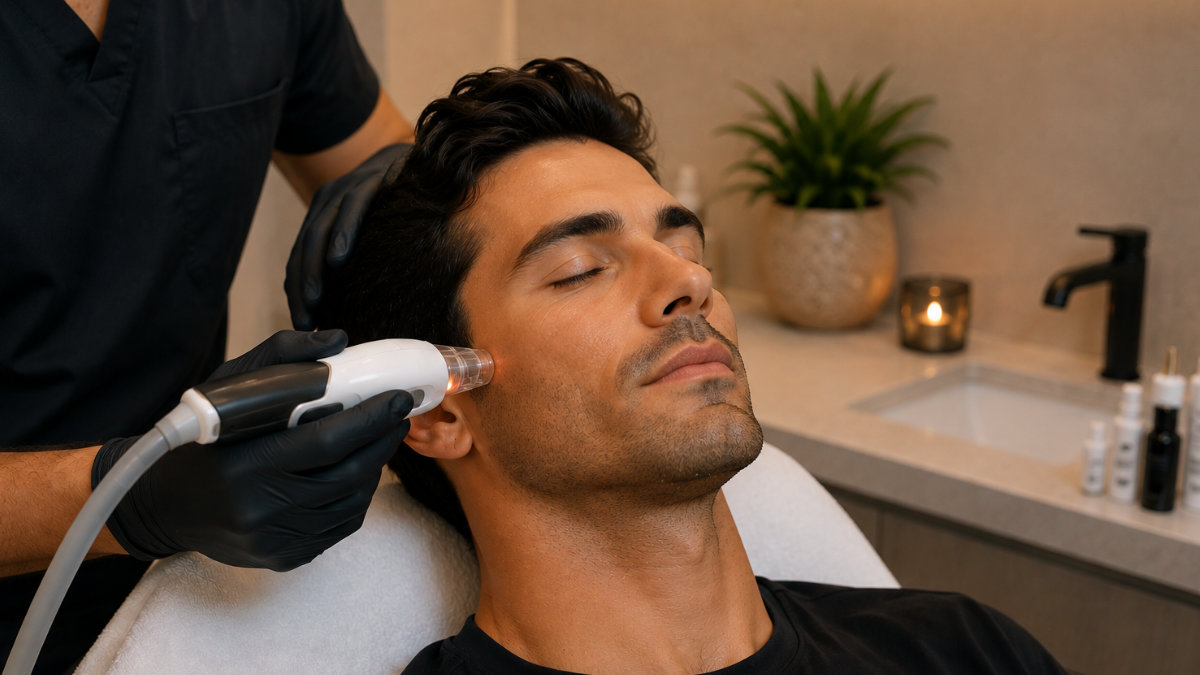
Feeling well does not always come down to a single factor. Some weeks bring inconsistent energy, unrefreshing sleep, changes in body composition, ongoing stress, or the sense that habits that once worked no longer fit quite the same way. A personalized longevity program starts there: not with a trend or a standard protocol, but with an understanding of each person’s clinical context, goals, and everyday routine.
For many women and men in Miami, longevity is not about chasing a promise of eternal youth. It is about caring for their health, feeling present, and maintaining the ability to stay active through informed decisions. The right approach should be medical, individualized, and realistic enough to fit into a demanding professional life.
What Is a Personalized Longevity Program?
This type of program is a clinically guided plan focused on long-term well-being. It may bring together a medical evaluation, review of health history, discussions about lifestyle habits, nutritional guidance, medically supervised weight management when indicated, and complementary therapies selected for each individual.
The key word is personalized. Two people of the same age may need very different strategies. One may sleep well but struggle to maintain consistent eating habits because of travel and meetings; another may exercise regularly but feel exhausted or be experiencing hormonal changes that call for a more thorough medical evaluation. Treating both cases the same way would not be clinically precise.
At Medilight’s Longevity & Wellness Unit, the starting point is an evaluation that helps establish priorities. Some people want support with lifestyle habits and body composition; others want to explore options such as IV therapies, IV NAD+, or peptides as part of a supervised plan. These tools do not replace rest, nutrition, movement, or conventional medical care. They may be considered as part of a broader strategy when there is an appropriate clinical indication.
The Evaluation Matters More Than the Latest Trending Protocol
It is easy to find recommendations that present a supplement, IV infusion, or medication as a universal answer. The problem is that the same intervention may offer limited benefit, be inappropriate, or require supervision depending on a person’s medical history, current treatments, and goals.
A responsible evaluation typically reviews health history, medications, allergies, recent weight changes, sleep quality, activity levels, and relationship with food. It is also important to discuss clearly what the person hopes to achieve. Wanting more consistent energy throughout the week is not the same as seeking a professionally supervised weight-management plan.
This process also helps identify when the priority is not to add another therapy, but to consult another specialist or pursue additional testing. Clinical judgment is demonstrated both in recommending treatment and in knowing when not to proceed. For a patient who has tried multiple solutions without a clear plan, that pause may be more valuable than an extensive list of options.
Goals You Can Measure Without Reducing Everything to a Number
Weight may be a relevant measure, but it should not be the only one. A well-designed program may consider consistency with healthy habits, changes in perceived energy, sleep, meal regularity, physical strength, and any markers the medical team considers appropriate.
Measuring progress does not mean becoming obsessed with numbers. It means having reference points for adjusting the plan. If an approach is difficult to maintain, causes unwanted effects, or does not meet the person’s actual needs, it should be reviewed. Longevity is not built through a few weeks of extreme measures, but through decisions that can be sustained.
What Options Can a Clinical Wellness Plan Include?
The components of a plan depend on the evaluation. For some people, the primary focus may be medically supervised weight management, which requires a detailed discussion of health history, habits, possible contraindications, and follow-up. GLP-1–based medications, when considered clinically appropriate, should not be presented as a stand-alone solution or used without professional oversight.
IV therapies may be considered in certain circumstances to support hydration and general well-being, always following an evaluation. Their suitability varies according to each patient’s medical history, needs, and health status. The same applies to IV NAD+ and peptides: these are options that should be incorporated into Medilight’s Longevity & Wellness Unit under appropriate clinical guidance and follow-up, rather than treated as interchangeable formulas or quick fixes.
There is also a less attention-grabbing but essential component: ongoing support. Adjusting a nutrition strategy, reviewing how well a patient tolerates a plan, or setting realistic expectations can make a greater difference than pursuing increasingly intensive interventions. Technology and therapies make sense when they support a clear clinical direction.
Personalized Longevity Program: Questions Worth Asking
Before starting a program, ask for specific answers. What information will be used to design the plan? Which goal will be prioritized first? Which options are appropriate for my medical history, and which are not? How will progress be monitored? What signs would indicate that an intervention should be adjusted or discontinued?
It is also worth asking about the experience of the team overseeing the process. In medical wellness, a personal approach should not be confused with improvisation. Communication should be easy to understand, but decisions must be based on a responsible evaluation and follow-up by qualified professionals.
Be cautious of programs that promise guaranteed changes within days, avoid discussing side effects, or offer the same combination of treatments to everyone. A good program can have ambitious goals without exaggeration. It explains the limitations, alternatives, and time each adjustment may require.
Balancing Aesthetics, Well-Being, and Health
It is reasonable to want to look more rested, feel more comfortable in your body, or regain confidence in your daily routine. Those goals are not superficial. Still, aesthetics and well-being are best approached with a complete picture in mind, especially when weight changes, stress, sleep disturbances, or underlying health concerns are involved.
At a precision medical aesthetics clinic, wellness is not treated as an extension of a beauty service or a high-volume product. It is a process that requires listening, appropriate clinical recommendations, and thoughtful adjustments. That distinction protects the patient experience and helps build healthier expectations.
Make Decisions Based on Information, Not Urgency
The next step is not to choose an IV therapy, peptide, or metabolic wellness plan in advance. It is to understand what your body needs, which habits are realistic for your life, and which options may safely support you. A personalized evaluation can turn a general concern into a plan with clear priorities.
At Medilight, we approach this process through medical supervision, individualized protocols, and an honest conversation about goals and limitations. If you are seeking guidance in Doral or Coral Gables, you can request an evaluation to learn which approach makes sense for your situation. Financing options are available for those who would like greater flexibility when planning their care.
Let’s design your longevity plan 📞 Call us: 786 413-0785To learn about options, candidacy and what the evaluation involves, visit our longevity & wellness medicine in Miami page.
Visit us
Doral: 7910 NW 25th St, Suite 202, Doral, FL 33122 · (786) 645-7044
Coral Gables: 2710 Ponce de Leon Blvd, Coral Gables, FL 33134 · (305) 339-7941